Fitness Trainer Guide: Benefits, Roles, Skills & Choosing the Right Coach
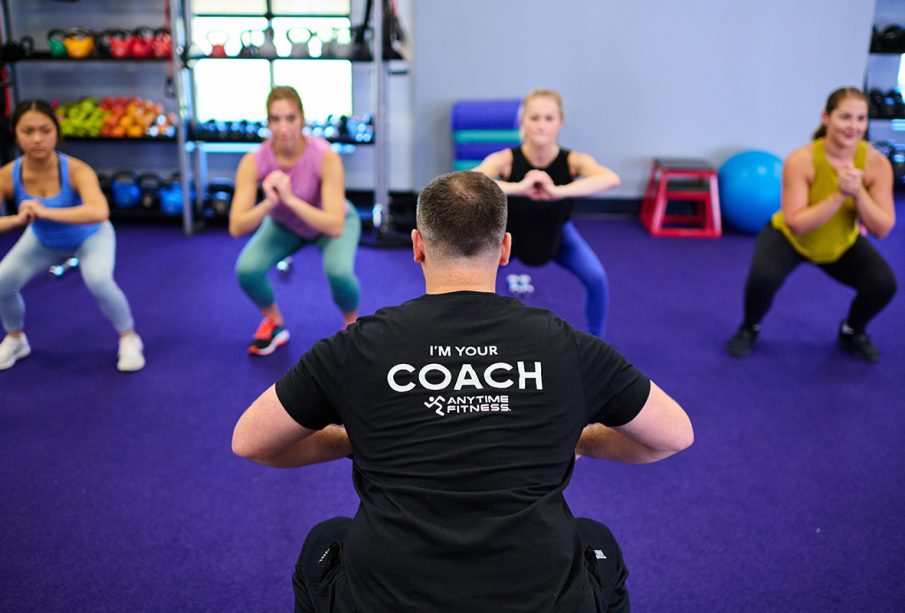
A fitness trainer is a certified professional who guides individuals through structured exercise programs tailored to their needs and goals. They help clients improve physical performance, enhance wellness, prevent injuries, and build long-term healthy habits.
Roles and Responsibilities of a Fitness Trainer
1. Personalized Fitness Programming
A trainer evaluates your fitness level, movement patterns, medical history, and goals to design a program that aligns with your lifestyle and abilities. This ensures safe and targeted progress.
2. Exercise Instruction and Demonstration
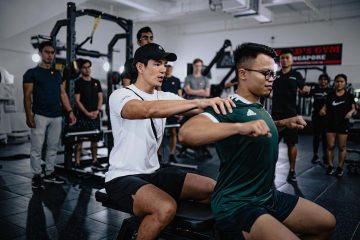
Fitness trainers teach proper form, technique, and breathing to maximize results and minimize the risk of injury. They also adjust exercises when needed to match your skill level.
3. Motivation and Accountability
A skilled trainer keeps you focused, motivated, and consistent. Their guidance helps reduce setbacks and boosts the likelihood of achieving long-term success.
4. Progress Tracking
Trainers monitor improvements in strength, endurance, mobility, and body composition. This feedback allows them to adjust programs for continued results.
5. Safety and Injury Prevention
They ensure that every workout follows safe movement patterns, appropriate intensity levels, and proper warm-up and cool-down techniques. This reduces the chance of strain or overtraining.
Benefits of Working With a Fitness Trainer
Improved Performance
Whether your goal is building muscle, losing weight, or increasing stamina, a trainer helps you progress efficiently and effectively.
Proper Technique
Good trainers correct posture and movement, enhancing results and preventing long-term damage.
Structured Routine
A well-organized schedule keeps training consistent and productive, helping clients stay committed.
Personalized Attention
You receive tailored advice based on your body type, experience, and goals rather than a one-size-fits-all routine.
Better Mindset and Confidence
Progress builds mental strength, self-belief, and a positive attitude toward fitness.
Essential Skills Every Fitness Trainer Should Have
Strong Communication Skills
Clear guidance helps clients understand instructions and expectations, fostering trust and comfort.
Knowledge of Exercise Science
Trainers should understand anatomy, physiology, biomechanics, and training principles to design effective workouts.
Adaptability
A capable trainer adjusts sessions based on your energy levels, limitations, and progress.
Patience and Empathy
Fitness journeys take time. A supportive trainer helps clients overcome challenges without judgment.
Professional Certification
Accredited certifications ensure the trainer has completed scientific training and follows professional standards.
How to Choose the Right Fitness Trainer
Check Certifications and Experience
Look for accredited certifications and relevant experience with goals similar to yours.
Evaluate Communication Style
A good trainer listens, explains clearly, and supports your progress.
Ask About Specializations
Some trainers focus on weight loss, bodybuilding, rehabilitation, athletic performance, or functional fitness.
Assess Personality Compatibility
You should feel comfortable, motivated, and encouraged during sessions.
Review Testimonials or Client Results
Past progress stories indicate reliability and effectiveness.
Common Types of Fitness Trainers
Personal Trainers
Work one-on-one to provide customized programs and close guidance.
Group Fitness Instructors
Lead classes like HIIT, yoga, cycling, or strength training.
Sports Performance Coaches
Train athletes to improve power, agility, speed, and sport-specific skills.
Online Fitness Coaches
Provide digital workouts, video sessions, and flexible training plans.
FAQs
1. How often should I work with a fitness trainer?
Most people see results with two to three sessions per week, depending on goals and schedule.
2. Can beginners benefit from a trainer?
Yes. Beginners gain confidence, proper technique, and structured guidance right from the start.
3. Do fitness trainers provide nutrition advice?
Many offer general nutrition guidance, but detailed meal plans usually require a nutrition certification.
4. How long does it take to see results?
Visible changes often appear within four to eight weeks, depending on consistency and effort.
5. What should I bring to a training session?
Comfortable clothing, water, proper footwear, and a positive mindset are usually enough.
6. Are online fitness trainers effective?
Yes. Virtual coaching can be highly effective when paired with discipline and regular communication.
7. How do I know if a trainer is the right fit?
A good fit feels motivating, trustworthy, and aligned with your goals and learning style.