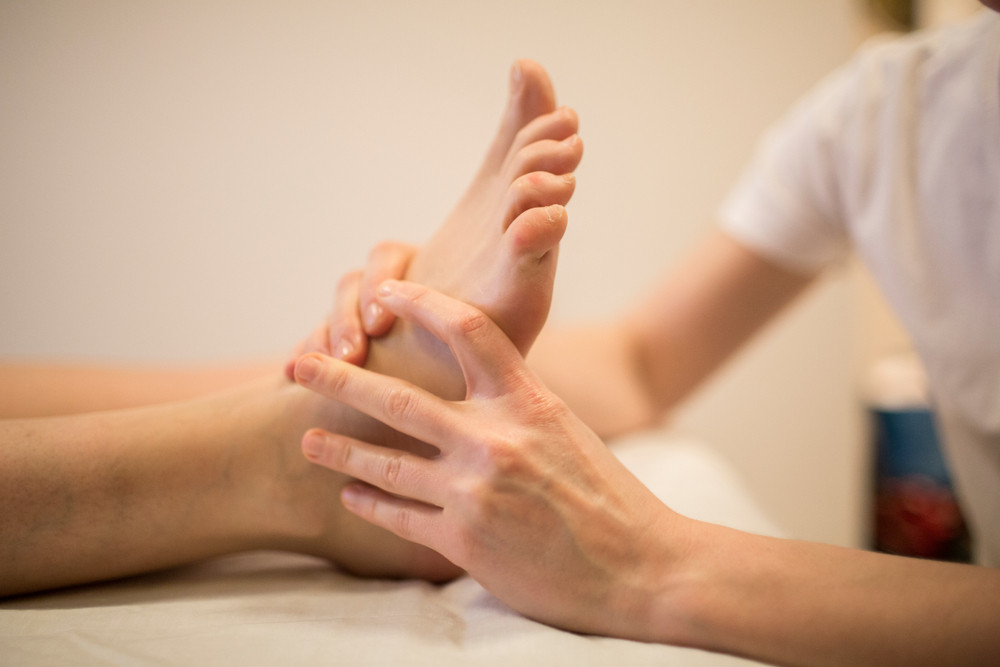
Acupressure: Benefits, Techniques, Pressure Points & Complete Guide
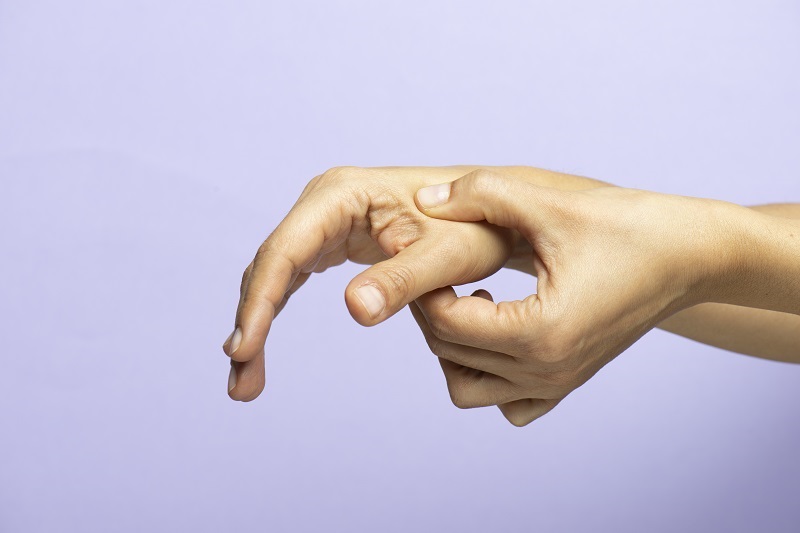
Acupressure is an ancient healing technique derived from Traditional Chinese Medicine (TCM). It involves applying pressure to specific points on the body to help restore balance, ease discomfort, and promote overall wellness. Unlike acupuncture, which uses needles, acupressure relies solely on manual touch using fingers, palms, or specialized tools.
How Acupressure Works
Acupressure is based on the concept of Qi, the vital life force that flows through pathways called meridians. When the flow of Qi becomes blocked, physical or emotional symptoms can arise. Stimulating targeted acupoints helps encourage smoother energy circulation and supports the body’s natural healing processes.
Major Benefits of Acupressure
1. Natural Pain Relief
Acupressure is commonly used to reduce discomfort from issues such as:
-
Lower back and neck tension
-
Headaches and migraines
-
Joint stiffness
-
Menstrual cramps
2. Stress and Anxiety Management
Applying pressure to calming acupoints encourages deep relaxation. This may help:
-
Reduce anxiety
-
Improve mood
-
Enhance overall emotional balance
3. Improved Sleep Quality
Regular acupressure sessions may support better sleep by easing tension and calming the nervous system, allowing the body to settle into restful patterns.
4. Digestive Support
Certain acupoints are linked to improved digestion, helping with issues like bloating, sluggish digestion, and appetite regulation.
5. Enhanced Circulation
By encouraging energy flow, acupressure may also improve blood movement throughout the body, aiding tissue nourishment and cellular repair.
Popular Acupressure Points
LI4 – Hegu
Located between the thumb and index finger, this point is known for relieving headaches, facial pain, and general tension.
LV3 – Tai Chong
Found on the top of the foot between the first two toes, this point supports emotional balance, stress reduction, and liver function.
ST36 – Zu San Li
Located just below the knee, it is often used to enhance immunity, increase energy, and support digestion.
SP6 – San Yin Jiao
Located on the inner leg above the ankle, this point may help with menstrual discomfort, sleep quality, and digestive issues.
How to Perform Acupressure
Step-by-Step Technique
-
Locate the acupoint using a chart or guide
-
Apply firm, steady pressure with your thumb, knuckle, or forefinger
-
Hold for 30–90 seconds while breathing slowly
-
Massage in small circles if desired
-
Repeat on both sides of the body
General Tips
-
Maintain comfortable posture
-
Avoid pressing on open wounds or bruises
-
Keep pressure firm but not painful
-
Stay hydrated after a session
Safety and Precautions
Acupressure is generally safe, but certain situations require caution. Individuals who are pregnant, dealing with fractures, have circulation disorders, or are undergoing medical treatment should consult a healthcare professional before practicing acupressure. If discomfort or unusual symptoms occur, discontinue pressure immediately.
Frequently Asked Questions (FAQ)
1. How often should I practice acupressure?
Most people benefit from daily or several weekly sessions, depending on their needs and goals.
2. Can acupressure replace medical treatment?
No. It is complementary and should not replace professional medical care for serious conditions.
3. How long does it take to feel results?
Some individuals experience relief within minutes, while others notice gradual improvement over consistent practice.
4. Is acupressure safe during pregnancy?
Certain points should be avoided. Always consult a healthcare provider before attempting acupressure while pregnant.
5. Do I need tools to perform acupressure?
Not necessarily. While tools can enhance pressure, your hands are fully sufficient for most techniques.
6. Can acupressure help with headaches?
Yes, several points—especially LI4—are known to ease headache and tension symptoms.
7. What is the difference between acupressure and reflexology?
Reflexology focuses primarily on hands and feet, while acupressure targets the entire body based on meridian pathways.