How Weightlifting Wrist Wraps Support Stronger Daily Training
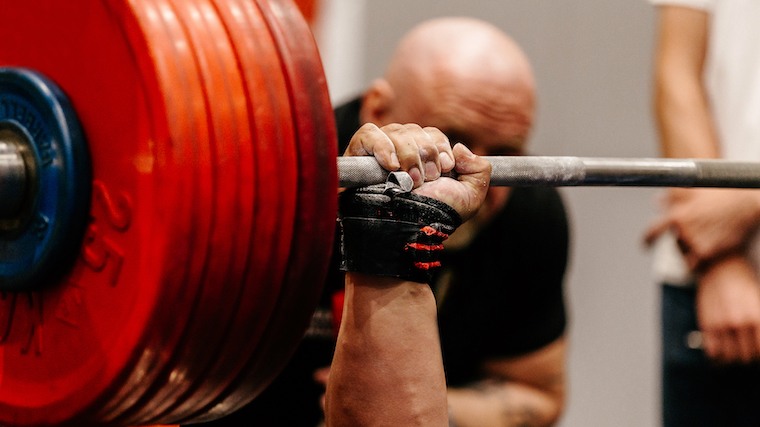
A Fresh Look at Gear That Quietly Improves Each Workout
Some training days feel smooth, while others leave your wrists tired long before your muscles hit their limit. Many lifters do not realize how much strain builds up in small areas that support bigger movements. That idea shaped this guide, especially for anyone who wants a cleaner form without feeling weighed down by too much gear. You can see improvement more clearly when a session is better balanced with weightlifting wrist wraps, which provide steady support without interrupting your natural range of motion. This guide walks through what these wraps offer, how they influence daily training, and what to look for when choosing a pair that fits your needs.
You will learn how wraps affect different strength exercises, why wrist stability can change the feel of an entire workout, and how simple adjustments lead to more consistent results. Each section keeps the tone light and direct so you can understand the benefits without feeling overloaded. You will also learn how to select the right wrap length, place them correctly, and how they can help you build steady habits that support long-term training.
By the end, you will have a clear sense of how wrist wraps fit into everyday sessions and what makes them a helpful tool for building better strength routines.
How To Choose Wraps That Match Your Grip Style and Strength Goals
Picking the right wraps starts with knowing how you lift. If you prefer heavy pulls or presses, you want wraps that offer firm support without cutting into your skin. People who perform fast-paced sets may prefer wraps that tighten and loosen quickly. Look at the material and see how it reacts in your hands. Softer blends work well for longer sessions. Stiffer wraps help when you push heavier loads.
Wrap length also matters. Shorter wraps give light support for quick workouts. Longer wraps offer more stability during challenging lifts. You should test the stretch to make sure it feels smooth and not too rigid. A comfortable stretch helps prevent strain while you adjust the tension.
Helpful notes
- Match material with your lifting style
- Pick wrap length based on needed support
- Choose a smooth stretch for comfort
- Test tension before committing to a pair
Why Wrist Stability Helps You Maintain Cleaner Form Under Pressure
Your wrists play a larger role than most lifters realize. They help guide the bar, shape your grip, and control the angle of your forearms. When your wrists wobble or bend too far, the rest of your form begins to break. Wraps help keep your wrist in a safe, stable position so you can lift with more confidence.
You may notice that presses, curls, and rows feel smoother when your wrists stay aligned. Stability reduces strain on the small muscles that tire easily. This lets your larger muscles do their job without having to compensate. Clean wrist alignment also keeps pressure off your joints, helping reduce soreness after heavy training days.
Key points
- Stable wrists protect alignment
- Support reduces unnecessary strain
- Controlled movement improves strength
- Balanced wrists reduce soreness later
How You Can Use Wrist Wraps to Build Steadier Daily Training Habits
Consistency improves when you use wraps at the right moments. Apply them during sets that require extra wrist tension, such as overhead presses or weighted curls. Keep the tension firm but not overly tight so your hands can still move freely. Between sets, loosen the wraps to let your wrists rest and breathe.
Notice how your body responds. Some lifters use wraps only for heavy days, while others use them strategically during lighter weeks to maintain form. There is no strict rule. The goal is to support your wrists without relying on wraps for every movement. Use them as a tool, not a crutch.
Routine tips
- Use wraps on exercises needing added tension
- Keep pressure moderate, not extreme
- Loosen between sets for comfort
- Adjust use based on how your wrists feel
What Helps Wraps Stay Comfortable and Useful Over Long Training Cycles
Wraps last longer with simple care. After each session, allow them to air out so sweat does not build up in the material. If your wraps have hook-and-loop closures, clean the fasteners to prevent lint or dust from collecting. Check the stitching regularly to make sure the wrap stays secure.
When storing your wraps, lay them flat instead of folding them tightly. This helps the material keep its shape and tension. Keep them away from heat sources or moisture. Both can break down the fibers and shorten their lifespan.
Care reminders
- Air-dry wraps after every workout
- Clean hook-and-loop closures regularly
- Check stitching for wear
- Store wraps flat in a dry place
A Closing Thought to Support Your Next Step in Training
We put this guide together to help you see how a small piece of support gear can make daily sessions smoother and more enjoyable. If you ever want help choosing the right wrap style or learning how to use them efficiently, we are always here to share clear, straightforward guidance.
Reach out whenever you feel ready to add more comfort and stability to your training routine.