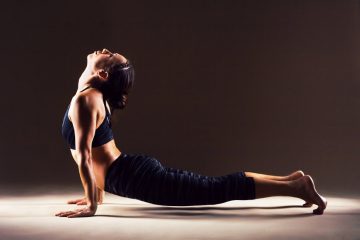
Yoga: Benefits, Types, Techniques & Complete Beginner’s Guide
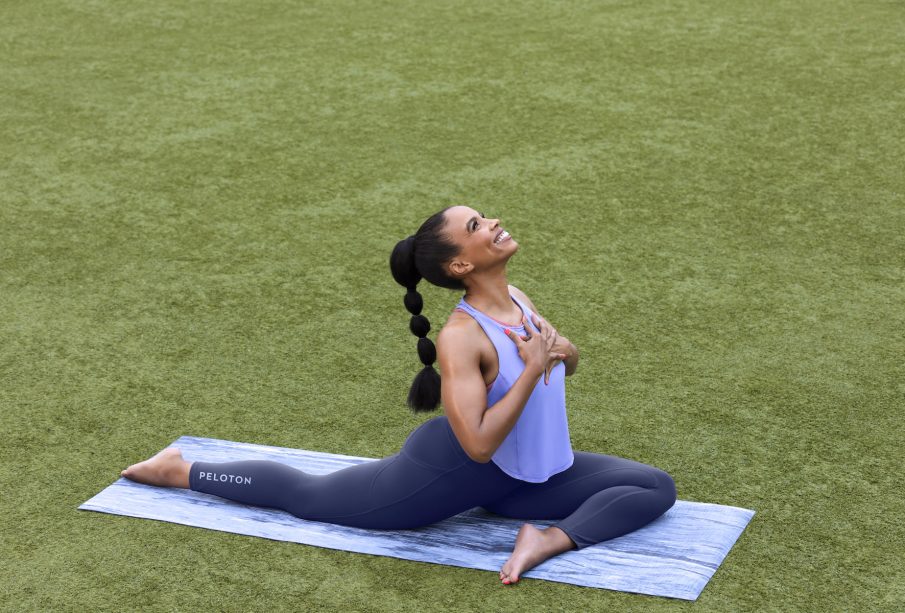
Introduction to Yoga
Yoga is an ancient practice that blends movement, breathwork, and mindfulness to support whole-body health. Originating thousands of years ago in India, it has evolved into a versatile discipline accessible to people of all ages and fitness levels. Today, yoga is recognized worldwide for its therapeutic value, improving strength, mental clarity, and emotional balance.
What Yoga Really Means
The term yoga comes from the Sanskrit root “yuj”, meaning to join or unite. At its core, yoga represents the union of:
-
Body and mind
-
Breath and movement
-
Awareness and action
This harmony creates a state of balance that extends beyond the mat into everyday life.
Major Benefits of Practicing Yoga
Physical Benefits
Regular practice enhances physical well-being through a range of gentle yet effective movements.
-
Improved flexibility
-
Better posture and alignment
-
Enhanced muscle tone and strength
-
Reduced joint stiffness and pain
-
Boosted cardiovascular endurance
-
Better balance and coordination
Mental and Emotional Benefits
Yoga places strong emphasis on mindfulness, which positively impacts mental health.
-
Reduced stress and anxiety
-
Improved focus and concentration
-
Emotional stability and mood regulation
-
Better sleep quality
Therapeutic Advantages
Certain yoga techniques support healing and long-term wellness.
-
Helps manage chronic pain
-
Supports recovery from injuries
-
Lowers blood pressure and heart rate
-
Enhances overall energy levels
Popular Types of Yoga
Yoga comes in multiple styles, each offering a unique approach. Understanding them helps individuals choose based on their goals and ability.
Hatha Yoga
A gentle style focusing on basic postures and breathing, ideal for beginners.
Vinyasa Yoga
A dynamic practice linking breath to movement, offering a fluid, fast-paced flow.
Ashtanga Yoga
A structured and physically demanding sequence that builds strength and endurance.
Yin Yoga
A slow practice targeting deep connective tissues through extended static holds.
Restorative Yoga
Designed for relaxation and healing, using props to support the body completely.
Kundalini Yoga
Combines chanting, energizing breathwork, and movements to awaken internal energy.
Essential Elements of Yoga Practice
Breathwork (Pranayama)
Breathing techniques guide physical movement and mental focus. Common methods include:
-
Ujjayi (Victorious Breath)
-
Nadi Shodhana (Alternate Nostril Breathing)
-
Kapalabhati (Skull-Shining Breath)
Postures (Asanas)
These physical positions strengthen the body and improve circulation. Examples include:
-
Mountain Pose (Tadasana)
-
Downward Dog (Adho Mukha Svanasana)
-
Warrior Series (Virabhadrasana I, II, III)
-
Tree Pose (Vrksasana)
Meditation
Meditation calms the mind, enhances self-awareness, and supports emotional resilience.
Relaxation (Savasana)
Practiced at the end of a session, it allows the body to fully integrate the benefits of yoga.
How to Start Practicing Yoga
Choose the Right Style
Beginners may benefit from Hatha or Restorative yoga, while active individuals might enjoy Vinyasa or Ashtanga.
Set Up a Comfortable Space
To practice effectively:
-
Use a non-slip mat
-
Wear breathable clothing
-
Keep the area quiet and clutter-free
Begin Slowly
Start with short sessions and simple poses. Gradually increase difficulty as your body adapts.
Seek Guidance
Working with a skilled instructor—either in-person or online—helps ensure proper form and prevents injuries.
Listen to Your Body
Yoga is never about force. Move mindfully and respect your physical limits.
Conclusion
Yoga offers a holistic path to well-being, nurturing both physical and mental health. Whether you seek stress relief, improved flexibility, strength building, or deeper self-awareness, yoga provides an adaptable and enriching practice for all. With the right approach, anyone can incorporate yoga into their daily life and experience lasting transformation.
Frequently Asked Questions
1. Can beginners practice yoga without prior experience?
Yes. Many styles are beginner-friendly, and instructors often provide modifications for all levels.
2. How often should I practice yoga to see results?
Practicing 2–4 times a week can yield noticeable improvements in flexibility, strength, and mental clarity.
3. Do I need special equipment for yoga?
A simple mat is enough for most practices. Optional tools like blocks or straps can offer added support.
4. Is yoga safe during pregnancy?
Prenatal yoga is safe for most expecting individuals, but it’s important to consult a healthcare provider first.
5. Can yoga help with weight management?
Active styles like Vinyasa and Ashtanga can support calorie burning, while mindfulness practices help control stress-related eating.
6. What is the best time of day to practice yoga?
Morning sessions energize the body, while evening sessions help with relaxation. Choose according to your routine.
7. Can yoga improve posture?
Yes. Many poses strengthen the core and back muscles, helping correct alignment issues over time.