

Essential Skin Care Practices for a Healthy, Glowing Complexion
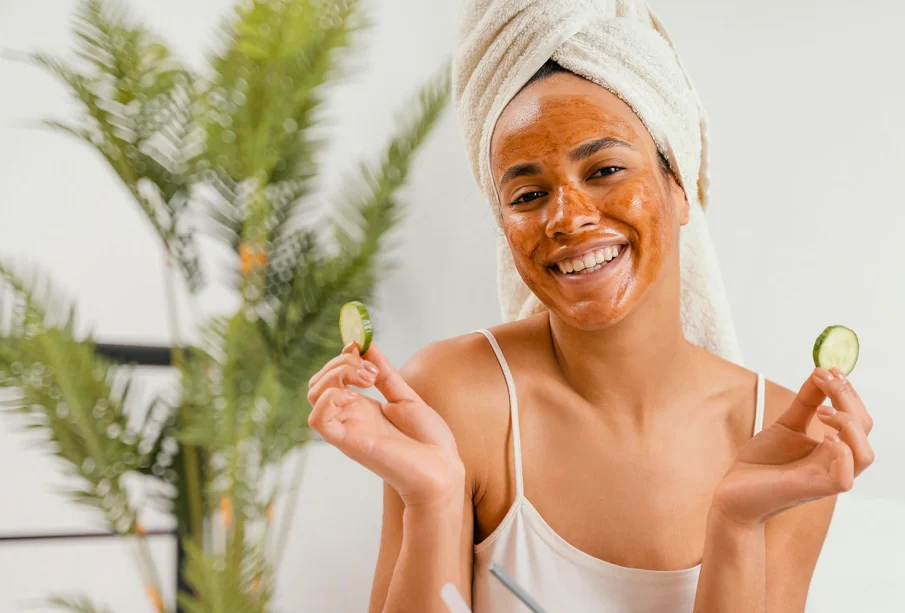
Caring for your skin is one of the most effective ways to preserve its health, prevent premature aging, and maintain a naturally radiant glow. A consistent routine strengthens the skin barrier, improves moisture retention, and protects against environmental stressors that contribute to dullness and damage.
Key Practices for a Healthy Skin Care Routine
Gentle Cleansing for Daily Freshness
Cleansing removes impurities such as oil, makeup, sweat, and dirt that accumulate throughout the day. A gentle cleanser ensures the skin stays balanced without stripping essential moisture.
How to Cleanse Effectively
-
Wash your face twice daily—morning and night
-
Choose a cleanser suitable for your skin type
-
Avoid harsh sulfates that can cause dryness
Exfoliation to Enhance Skin Renewal
Exfoliating helps remove dead skin cells that can make the complexion appear rough or dull. It supports cell renewal and allows treatments and moisturizers to penetrate better.
Types of Exfoliators
-
Chemical exfoliants: AHAs, BHAs, and PHAs for deeper renewal
-
Physical exfoliants: Gentle scrubs for surface polishing
Use exfoliation 1–3 times per week depending on your skin’s sensitivity.
Hydration to Strengthen the Skin Barrier
Moisturizing is essential for keeping the skin soft, smooth, and protected. Hydrated skin is less prone to irritation, fine lines, and tightness.
Common Moisturizer Options
-
Gel moisturizers: Ideal for oily or acne-prone skin
-
Cream moisturizers: Best for dry or mature skin
-
Lotions: Suitable for combination skin types
Sun Protection for Long-Term Skin Health
Sunscreen is one of the most important steps in any routine. UV rays contribute to premature aging, hyperpigmentation, and long-term skin damage.
How to Use Sunscreen Correctly
-
Choose SPF 30 or higher
-
Apply generously every morning
-
Reapply every 2 hours when outdoors
Targeted Treatments for Specific Concerns
Serums and treatments address issues such as acne, pigmentation, wrinkles, or sensitivity. Selecting the right formulas helps improve overall skin clarity and texture.
Popular Treatment Ingredients
-
Vitamin C: Brightening and antioxidant protection
-
Retinol: Supports anti-aging and smoother skin
-
Niacinamide: Balances oil and reduces redness
-
Hyaluronic Acid: Provides deep hydration
Healthy Lifestyle Habits That Improve Your Skin
Skin care is not just about topical products—your daily choices also influence your complexion.
Helpful Lifestyle Practices
-
Drink adequate water throughout the day
-
Maintain a balanced, nutrient-rich diet
-
Get consistent sleep to support skin repair
-
Manage stress through relaxation techniques
-
Avoid excessive alcohol and smoking
Caring for Different Skin Types
Dry Skin
Needs richer hydration and gentle, soothing products.
Oily Skin
Prefers lightweight, non-comedogenic formulas to balance shine and prevent clogged pores.
Combination Skin
Requires targeted care—hydrating dry areas while controlling oil in the T-zone.
Sensitive Skin
Benefits from fragrance-free, hypoallergenic products with calming ingredients.
Frequently Asked Questions
1. How long does it take to see results from a skin care routine?
Most people start seeing noticeable improvements within 4–6 weeks of consistent use.
2. Should I change my routine with the seasons?
Yes. Skin often becomes drier in winter and oilier in summer, so adjusting your products can help maintain balance.
3. How do I know which products are right for my skin?
Your skin type and concerns should guide your choices. Patch testing also helps prevent irritation.
4. Is double cleansing necessary?
It’s beneficial if you wear makeup or sunscreen, as an oil-based cleanser removes residue more effectively.
5. Can oily skin skip moisturizer?
No. Even oily skin needs hydration to regulate sebum production and maintain barrier health.
6. What is the proper order to apply skin care products?
A general rule is: cleanser → toner (optional) → serum → moisturizer → sunscreen.
7. Are natural skin care products better?
Not always. Effectiveness depends on formulation, not whether ingredients are natural or synthetic.


